


Top 5 Cyber Attacks of 2024: Even The Mighty Can Fall in Minutes
Even the Mighty Can Fall: The Top Five Cyber Incidents of 2024 So Far
Ministry of Defence, Microsoft, and more!
As we approach the halfway point of 2024, we have already witnessed several significant cyber incidents that have had far-reaching impacts on major global organisations. These incidents have led to the likes of the MITRE, Microsoft and even the Ministry of Defence (MoD), having to answer uncomfortable questions as to how these incidents occurred.
In this blog, we highlight the top five cyber incidents of the year so far, examining what happened, who was affected, the fallout, and the broader implications for cyber security practices. Join us as we cover these major cyber incidents and explore the lessons we can learn from them.
Chinese State-Sponsored Cyber Attack Campaign
Hackers backed by China’s government spy agency have been accused by the US and UK of conducting a year-long cyber-attack campaign, targeting politicians, journalists, and businesses. The campaign, attributed to a Chinese state-sponsored hacking group, aimed to steal sensitive information, and disrupt critical infrastructure. These coordinated cyber attacks reveal the growing threat posed by nation-state actors and the need for international cooperation to combat hostile nation states or state backed cyber threats effectively. [source: The Guardian]
These attacks highlight that cyber threats don’t just originate from opportunistic cyber criminals, they also have the power of nation-states behind them. Organisations need to ensure they are regularly reviewing their cyber security posture to ensure that cyber defences are up to date and current best-practices are followed. A cyber security posture assessment can highlight the strengths of your organisation’s defences and also indicate where you should focus for improvement.
Ministry of Defence Data Breach
In a significant data breach reported earlier this month, personal information of an unknown number of serving and former UK military personnel was accessed through a payroll system used by the Ministry of Defence (MoD). The compromised data includes names, bank details, and, in some cases, personal addresses. The breach, which targeted a system managed by an external contractor, did not involve any operational MoD data. Immediate action was taken to take the system offline, and investigations are ongoing. Defence Secretary Grant Shapps is set to outline a response plan, which will include measures to protect affected individuals.
Whilst it has still not been revealed as to who is behind the attack, this incident highlights the importance of securing supply chains and systems managed by external contractors and demonstrates how easily vulnerable products can leave even the most mature organisations exposed to persistent threat actors.
MITRE R&D Network Penetrated
In another unfortunate tale of supply chain security, MITRE disclosed a significant cyber-attack in April 2024, orchestrated by state-sponsored hackers that exploited zero-day vulnerabilities in Ivanti VPN software.
MITRE are a key player in R&D for US government projects and authors of the widely adopted MITRE ATT&CK framework . The attack, attributed to a Chinese cyber espionage group known as UNC5221, targeted MITRE’s NERVE (Networked Experimentation, Research, and Virtualization Environment) an unclassified network used for research and development.
The hackers leveraged vulnerabilities CVE-2023-46805 and CVE-2024-21887, deploying sophisticated malware such as BrickStorm and BeeFlush, and used compromised administrator credentials to create rogue virtual machines.
This breach again underscores the critical importance of supply chain security, as vulnerabilities in third-party products can serve as entry points for significant cyber attacks. Organisations looking to prevent these types of attacks should have rigorous vulnerability management and ensure they are using supply chain risk assessments to determine the best third-parties to work with.
Despite maintaining persistence and attempting lateral movement within the NERVE infrastructure, the attackers failed to access other resources. This highlights the importance of architecture and configuration as although the hackers got in, their movement within the network was restricted and therefore reduced the damage these cyber criminals could do.
Microsoft Azure Data Breach
According to an article posted by Spiceworks, Microsoft’s premier cloud service, Azure, suffered a data breach in February 2024 affecting hundreds of executive Azure accounts, raising concerns over the security of big cloud-based platforms. The breach revealed critical vulnerabilities in Microsoft’s security measures, similar to previous incidents.
The attackers exploited a zero-day vulnerability, CVE-2024-21410, in Microsoft Exchange servers, which allowed them to access and misuse Windows NT Lan Manager (NTLM) hashes to impersonate legitimate users. Up to 97,000 Exchange servers are vulnerable to this flaw, which has a severity rating of 9.1. Additionally, Microsoft disclosed two more zero-day vulnerabilities: CVE-2024-21412, a security feature bypass, and CVE-2024-21351, a SmartScreen bypass vulnerability. These issues affected Exchange server versions before the February 13th update.
The perpetrators are believed to be hacking groups from Nigeria and Russia using proxy services and phishing links embedded in documents, primarily targeting mid and senior-level executives. This attack, involving user impersonation, data extraction, and financial fraud, marks the first time such a breach has occurred on the Azure platform.
Microsoft has since implemented measures to mitigate the impact of the breach and enhance the security of its cloud services. This incident brought Microsoft back under fresh scrutiny as a similar incident occurred in 2023 where Chinese-backed hackers were able to access sensitive data stored within the Azure platform [source: NPR]
These two incidents underscore the importance of regular vulnerability scanning and patch management. Organisations looking to mitigate risks from outdated software and zero-day vulnerabilities should ensure they have a robust patch management process and conduct regular vulnerability scans across their infrastructure and applications to maintain the integrity of their estate.
With such a vast and evolving suite of customisable products and features, it can be hard to stay up to date with the most recent security recommendations for Microsoft 365. In a Microsoft 365 Security Assessment, CyberLab can help you ensure security in your day-to-day operations by reviewing your MS365 configuration against industry-standard benchmarks from the Centre for Internet Security (CIS).
Cyber Attacks on NHS Dumfries and Galloway
Digital transformation has revolutionised processes and information management, especially within the healthcare sector. However, with these advancements come significant cyber security challenges.
NHS Dumfries and Galloway faced significant disruptions due to a cyber attack targeting its systems. The attack, which occurred in early 2024, prompted concerns over the security of sensitive healthcare data and patient records.
While details about the nature and extent of the breach remain limited, the incident underscores the persistent threat posed by cyber attacks on critical infrastructure, particularly in the healthcare sector.
Learn about the complexities of securing healthcare organisations amidst the evolving threat landscape and discover the strategies to mitigate risks in our Securing Healthcare Organisations blog.
In Conclusion
In conclusion, the top five cyber attacks of 2024 so far serve as a stark reminder of the evolving threat landscape. By understanding these incidents and implementing a layered and strategic approach to cyber security, organisations can better protect their people, data, and customers.
Stay vigilant, continuously update your defences, and ensure your incident response plans are robust to safeguard against future cyber threats.


Exploiting ChatGPT: The Darkside of AI and Emerging Cyber Threats
How Cyber Criminals Are Weaponising AI
Artificial intelligence (AI) being used for malicious intent has surfaced as a significant concern within the digital space. Cyber criminals are using Large Language Models (LLMs), like ChatGPT, and deepfake technology to launch cyber-attacks and scams. In this blog, we focus on the darker facets of AI, shedding light on the exploitation of AI systems, its impact on the threat landscape, and what organisations can do now to better protect themselves and their most sensitive assets against this new wave of threats.
Malicious ChatGPT Prompts for Sale on the Dark Web Marketplace
- Recent reports reveal a disturbing trend where thousands of malicious prompts designed to jailbreak and exploit AI are up for sale on the dark web. These prompts deceive AI models, enabling threat actors to steal data, orchestrate sophisticated scams and other illegal activities with alarming efficiency.
- According to recent research carried out by Kaspersky, thousands of these nefarious prompts and compromised premium ChatGPT accounts are now available for purchase, posing a significant threat to ChatGPT, its users and their data. (source: The Register)
Deepfake and AI: Partners in Crime
AI and deepfake technologies are becoming more readily available. OpenAI, for example, recently announced their new generative AI, Sora, that can create video from text. And, although this advancement in technology and its availability is exciting, it is also inevitable that there will be cyber criminals looking to use it maliciously.
Around the globe we are already seeing examples of these technologies being exploited by advanced threat actors, including cyber criminals, nation states or nation sponsored hacker groups.
$25 million theft executed through a sophisticated deepfake scam
A recent article by Ars Technica has shed light on a ground-breaking cyber crime incident considered to be the first successful heist of its kind: a $25 million theft executed through a sophisticated deepfake scam. The scam involved the creation of highly convincing AI generated deepfake videos, which were used to impersonate key individuals within a financial institution.
By leveraging these deepfake videos, the scammer manipulated employees into authorising fraudulent transactions, resulting in the substantial loss. This unprecedented heist marks a significant escalation in the sophistication of cyber criminal tactics, underscoring the evolving threat landscape faced by organisations worldwide. As the prevalence of AI-driven scams will inevitably continue to rise, it becomes increasingly crucial for businesses to bolster their cyber security posture and remain vigilant against such deceptive schemes.
Deepfake news segments
Iran-backed hackers had recently disrupted TV streaming services in the United Arab Emirates (UAE) by injecting deepfake news segments into the broadcasts according to The Guardian. These deceptive deepfake videos, generated using AI technology, were designed to resemble legitimate news reports, spread misinformation, and sow discord among viewers. This incident underscores the growing threat posed by state-sponsored threat actors and the increasing weaponisation of deepfake technology for political purposes.
As nations continue to grapple with the challenges of cyber warfare and disinformation campaigns, it becomes imperative for governments to collaborate and implement international legislation that both prohibits and protects against the use of such attack methods, as well as educate and inform organisations across all industries about AI threats and how best to protect themselves and their assets. Additionally, organisations need to enhance and adapt their cyber security capabilities to be able to identify and defend against orchestrated AI driven attacks, which is backed up by a recent assessment conducted by the NCSC. The assessment focuses on how AI will impact the efficacy of cyber operations and the implications for the cyber threat over the next two years. (source: NCSC)
Tales from the CyberLab: Generative AI in Cyber Security Explained
Global Cyber Threats Expected to Rise With AI, NCSC Warns
According to the above-mentioned assessment by the NCSC, AI is poised to significantly impact the cyber threat landscape in the near future. The report suggests that AI will almost certainly be utilised by cyber adversaries to enhance their capabilities, including the development of more advanced attack techniques and procedures (TTPs).
As AI technologies evolve, cyber criminals are increasingly going to automate tasks, evade detection, and execute targeted attacks with greater precision. This assessment underscores the urgent need for organisations to adapt their cyber security strategies to effectively mitigate the evolving threats posed by AI-driven cyber-attacks. This includes enhancing detection and response capabilities, investing in AI-powered security solutions, enforcing zero trust policies, implementing a culture of sufficient cyber awareness and vigilance amongst staff, and staying informed about emerging AI-driven threat vectors.
While ChatGPT and other LLMs may not yet be capable of being used to write sophisticated malware to be sold at scale on the dark web or be in possession of nefarious nation states, we may not be far away from AI being used to orchestrate attack chains or write malware that can evade detection. A separate recent report from the National Cyber Security Centre (NCSC) sheds light on how AI driven ransomware attacks could become a reality by 2025. (source: NCSC)
What Can Organisations do to Protect Themselves Against AI Threats?
As AI technologies are rapidly evolving, the application of its use for both good and bad is evolving with it, leading to a rapid shift in the threat landscape. It is imperative for organisations to not just understand how to defend against AI driven threats, but to learn how to use AI technologies securely and in a manner that best protects their assets and does not expose them to new vulnerabilities or risk.
Already we are seeing collaboration amongst the international community to tackle this very issue. A recent publication on how to engage with Artificial Intelligence has been developed by the Australian Signals Directorate’s Australian Cyber Security Centre (ASD’s ACSC) in collaboration with the NCSC, United States (US) Cyber security and Infrastructure Security Agency (CISA), Canadian Centre for Cyber Security (CCCS) and several other cyber security/government agencies from international partners. The publication highlights some key threats related to AI systems and summarises steps organisations should take when engaging with AI technologies (both in-house and 3rd parties) to mitigate risk. (source: ASD’s ACSC)
While this new wave of advanced threats seems daunting and paints a bleak future for stakeholders responsible for managing risk, there are several steps organisations can do to protect against these threats. Many of these types of attacks still rely on the presence of human error and social engineering. Regularly training your people and creating a positive cyber awareness culture are key to reducing this type of threat.
Further to this, unsecured vulnerabilities are a common route of entry for cyber criminals and can be identified with regular vulnerability scanning and penetration testing to identify your security weak spots.
Organisations across all sectors, of all sizes should not neglect the fundamental steps that make up the foundations of any cyber security strategy. Few organisations have the right tools, people, and processes in-house to manage their security program around-the-clock while proactively defending against new and emerging threats. Adopting security defences like Sophos MDR can provide an elite team of threat hunters and response experts to take targeted actions on your behalf to neutralise even the most sophisticated threats.
Tales from the CyberLab: AI’s Role in Data Protection Explained
In Conclusion
For better or worse, AI is going to change how we live our lives greatly, and while its application for solving huge problems on a global scale is something to be embraced, we should also be aware of its capacity to cause great harm. Organisations need to adapt to the new world of AI driven technologies and attacks, whilst continuing to invest in the foundations of their cyber security posture.
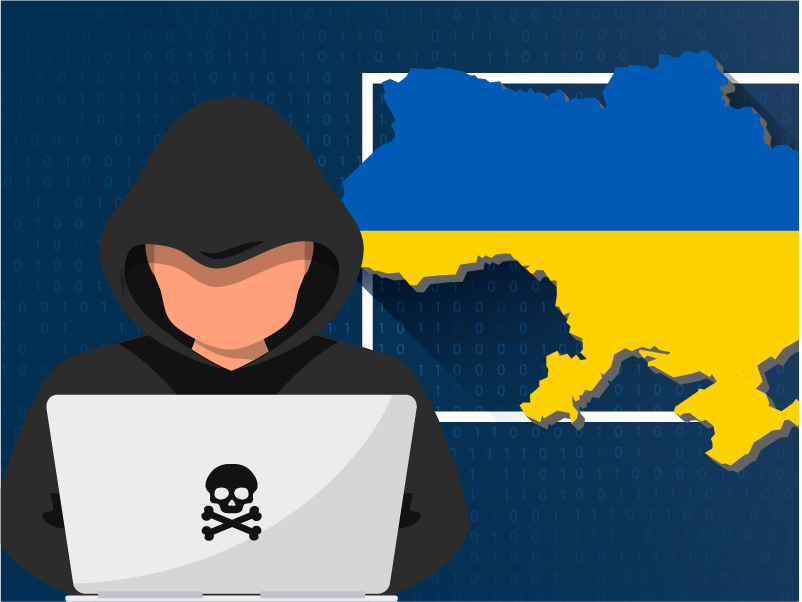
Hybrid Warfare and Cyber Attacks in Modern Conflict and Global Security
What Organisations Must Know in 2025
Steve Clarke, Head of Penetration Testing at CyberLab, explores the evolving threat landscape shaped by hybrid warfare and cyber attacks, with a focus on the conflict in Ukraine and its global implications.
This blog covers:
- The Conflict in Ukraine and Cyber Warfare
- Information Warfare and Disinformation
- Malware Spillage Beyond Borders
- Russia Targeted by Anonymous
- How to Protect Your Business and Data
- How to Book Your Free Security Consultation
The Conflict in Ukraine and Cyber Warfare
Hybrid warfare – where conventional military tactics are combined with cyber attacks, disinformation, and sabotage – has become a defining feature of modern conflict.
Ukraine remains a frontline example, having faced relentless cyber aggression since 2014, including the infamous 2015 power grid attack and the 2017 NotPetya malware incident.
In 2022, Russia launched a full-scale invasion of Ukraine, preceded by cyber operations such as the deployment of HermeticWiper, designed to erase data and cripple systems. These attacks exploited endpoint and server misconfigurations, often executing with local admin privileges.
In 2025, Ukraine continues to face hybrid threats, including GPS jamming, drone interference, and coordinated disinformation campaigns. Despite this, experts praise Ukraine’s cyber defence strategy, which includes partnerships with big tech firms and international allies.
Information Warfare and Disinformation
Disinformation remains a core tactic in Russia’s hybrid playbook. From fake news to social media manipulation, these campaigns aim to destabilise societies and erode trust in institutions.
While large-scale cyber attacks on Western infrastructure have not materialised as feared, experts warn that Russia’s cyber capabilities are likely being recalibrated for future use.
Ukraine’s experience offers lessons: proactive communication, media literacy, and civil society engagement are key to countering narrative warfare.
Malware Spillage Beyond Borders
Hybrid cyber weapons often lack geographic constraints. Malware like NotPetya and AcidRain have caused global damage, affecting systems far beyond their intended targets.
With limited operational controls, these threats can persist for years, making patch management and system hardening essential.
Russia Targeted by Anonymous
Hacktivist group Anonymous has claimed responsibility for cyber operations against Russian state assets, including website defacements, TV broadcast takeovers, and data exfiltration.
These actions mark a shift from traditional DoS attacks to more targeted and symbolic disruptions.
How to Protect Your Business and Data
The UK’s National Cyber Security Centre (NCSC) continues to update its guidance for organisations of all sizes. Key recommendations include:
- Patch Management: Ensure timely updates across all systems
- Access Control: Use strong authentication and limit privileges
- Monitoring: Implement logging and anomaly detection
- Internet Footprint: Minimise exposure and harden public-facing assets
- Human Factors: Train staff to report phishing and ensure offline backups are recoverable.
CyberLab supports over 28,000 organisations with tailored security solutions, helping businesses assess risk and strengthen their defences.


Mobile Security Threats & How To Protect Yourself from Common Risks
Your 2025 Guide to Mobile Threats and Defences
, Sales Director at CyberLab, outlines the evolving mobile threat landscape and offers actionable advice to help organisations and individuals secure their mobile devices.
Mobile devices are now central to business operations. According to Microsoft, over 80% of daily work is conducted on mobile platforms. These devices operate outside traditional corporate firewalls and are often in the hands of users who may not prioritise security – making them prime targets for cyber criminals.
Why Mobile Security Matters More Than Ever
Employees routinely access emails, documents, customer data, and applications via mobile devices. While this boosts productivity, it also increases exposure to threats such as malware, phishing, and data breaches.
The rise of Bring Your Own Device (BYOD) policies and remote work has further complicated mobile security management.
Top Mobile Security Threats in 2025
1. Outdated Operating Systems and Security Patches
Devices typically stop receiving updates within 3–4 years of release. Unpatched vulnerabilities are a leading cause of mobile breaches. Microsoft’s Secure Future Initiative urges organisations to retire outdated systems before they become liabilities.
2. Unsecured Third-Party Apps
Apps downloaded outside official stores (e.g. sideloaded APKs on Android) can introduce malware. These apps may access sensitive data, including passwords and banking details, without user awareness.
3. Weak Passcodes
Simple passcodes like “1234” or birthdates are easily guessed. Best practice now recommends 8-digit passcodes with no repeating patterns. Biometric authentication and phishing-resistant MFA are also strongly advised.
4. Unsecured Wi-Fi Networks
Public Wi-Fi remains a major risk. Attackers can intercept unencrypted traffic or hijack sessions. Microsoft recommends avoiding public networks unless using a trusted VPN.
5. BYOD Risks
Personal devices used for work can introduce threats if not properly managed. Risks include data theft, unauthorised app downloads, and lack of visibility into device security posture.
6. Lack of Endpoint Protection
Endpoint protection is no longer optional. Sophos and Microsoft now offer AI-powered threat detection and response for mobile endpoints, including behavioural analysis and automated containment. [microsoft.com]
7. Device Loss or Theft
EE reports that 10 million work devices are lost annually. Mobile Device Management (MDM) solutions allow remote wiping, location tracking, and access revocation to mitigate this risk.
8. Human Error
Employees remain a top vulnerability. Regular training and phishing simulations are essential. CyberLab’s layered security approach includes education, monitoring, and proactive threat hunting.
Mobile Device Management (MDM): Your First Line of Defence
An MDM solution helps organisations:
- Remotely wipe or lock lost devices
- Enforce strong passcode policies
- Ensure OS updates are applied
- Restrict access to risky apps
- Manage BYOD securely
MDM is cost-effective, easy to deploy, and scalable. CyberLab offers tailored MDM solutions—from entry-level setups to enterprise-grade deployments—based on your business needs.
Tales from the CyberLab: Cyber Security for Websites & Applications Explained
CyberLab Can Help
Speak with a CyberLab expert to review your mobile security posture and explore solutions tailored to your organisation. Book your free 30-minute consultation today.

How to Prevent Cyber Attacks with Effective Logging and Monitoring
Detecting and Preventing Cyber Incidents
- Why Do We Need Logging and Monitoring?
- How Do We Do Logging and Monitoring?
- Identifying the Right Solution
- Our Recommendations
Why Do We Need Logging & Monitoring?
The dark web has been hugely commoditised and it is now very likely that multiple cyber criminals will gain awareness that you are vulnerable. This happens when one attacker, called an access broker, gains access to your environment and then sells that access to multiple other attackers. Their goal? Making money, causing chaos, stealing secrets, and holding your data hostage.
The risk and cost for organisations that are victim to cyber attacks are also increasing. The result of cyber attacks are often downtime, disruption and data loss. There are also other consequences many organisations face such damage to reputation, hefty fines for compromised data, losing trust from valued customers, and even the loss of hard-earned certifications.
While it might seem like a digital doomsday out there, here’s the secret: cyber attacks leave footprints. The art of prevention lies in spotting these traces before the attack compromises your systems and data. It’s like catching a thief in the act before they can make off with the loot. If you can detect unauthorised activity before damage is done, you can stop or prevent the attack being successful and limit the damage. That’s where logging and monitoring solutions come in.
They have a secondary function as well, anyone who has suffered a cyber attack will tell you that despite having the initial detection of something untoward going on, it can be really difficult to actually feel confidence that you can see the whole picture and you are aware of everything that’s going on – logging and monitoring helps with that as well.
How Do You Do Logging & Monitoring?
In even relatively small IT environments, the scale of log information that will be generated is overwhelming. Especially if it’s scattered across multiple environments like public/private cloud/SaaS etc.
The first challenge? Gathering all these pieces into a single, meaningful picture. Endpoint Detection & Response and eXtended Detection and Response (EDR/XDR) and Security Information and Event Management (SIEM) solutions provide this central location to collate and view the log information from multiple sources.
So, you’ve got all your puzzle pieces in one place, but they’re still just random bits until you put them together. That’s where the real magic happens: processing. EDR/XDR and SIEM solutions typically sift through the sea of data to block out the ‘noise’.
Solutions such as LogPoint leverage some form of AI or ML intelligence to give an indication of how likely a particular event is going to be related to malicious activity. LogPoint’s version is called UEBA, which stands for User Entity Behaviour Analytics. UEBA uses AI and ML to correlate multiple events and link related ones together to give a fuller picture than looking at individual events in isolation.
EDR/XDR solutions usually do something similar but typically the events they are correlating are limited to information coming from endpoint security or proprietary network devices. LogPoint and other SIEM tend to have a much broader scope of interoperability and call pull event information from pretty much anywhere that it’s being generated.
How Do I Know Which Solution Is Right?
It can be difficult to know which solution is right for your organisation, and its often a case of selecting which fulfils your need the best. If you don’t need to monitor extensive hardware devices, web sites, databases, etc, then an EDR/XDR solution might be for you. If you have multiple databases or databases that hold sensitive information, it’s probably a good idea to be watching them closely via a SIEM solution as they will be a prime target for an attacker.
With both types of solution the information still needs to be monitored by a human. LogPoint mitigate this through the use of their Security Orchestration and Response (SOAR) technology that aims to take automated action based on certain triggers when particular activity is detected. EDR/XDR solutions often have similar functionality but it’s probably fair to say they are not quite as extensive or complex as a SIEM solutions.
These automated response solutions are great, but they can also be incredibly disruptive if allowed free reign over systems. Very quickly users will be complaining they cannot carry out their duties because things are being blocked. This brings me to the final challenge with logging and monitoring, it invariably means a security specialist with “eyes-on-glass” (i.e., watching the screen) is necessary to manage both types of solutions effectively.
Again, the approach to take to manage this final challenge depends on any number of factors – the size of business, the driving forces behind the adoption of logging and monitoring, the desire for Opex over Capex, or the constant problem of getting skilled Cyber security staff, to name just a few.
What Would CyberLab Recommend?
If an organisation lacks in-house expertise but recognises the value and importance of logging and monitoring, it is increasingly common to adopt a managed service approach.
This involves partnering with third-party suppliers who have dedicated security specialist teams to handle the heavy lifting. One of the key benefits of this approach is peace of mind – knowing that systems are being actively protected around the clock.
To support this, the Posture Assessment tool offers a quick and easy way to identify strengths and weaknesses, providing a clearer picture of overall security posture.
A dedicated page of recommendations for improving logging and monitoring is available, including guidance on which tools can help.
For organisations looking to strengthen their security and protect their data, a consultation with one of our experts is available to explore tailored solutions.

The Top Five Cyber Threats of 2024 and How to Strengthen Resilience
Mid-Year Analysis on Cyber Security Trends for 2024
As we progress through 2024, the cyber threat landscape continues to evolve rapidly, presenting new challenges for organisations and individuals alike. In this edition, we shift our focus from past incidents to the present and future threats that pose the greatest risks.
Understanding these threats is crucial for developing effective strategies to safeguard against them. Cybercrime is expected to become the world’s third largest economy by 2025, estimated to cost $10.5 trillion in damages globally, according to cybercrime magazine.
This month, we highlight the top five most dangerous cyber threats of 2024, exploring their nature, potential impacts, and the steps you can take to protect yourself and your organisation. Join us as we explore these pressing cyber threats and provide insights into enhancing your cyber resilience.
Offensive AI as a Threat Multiplier
At the RSA Conference 2024, cyber security experts identified offensive AI as a significant threat multiplier, presenting it as one of the top five cyber threats for the year. Stephen Sims highlighted how malicious actors leverage AI and automation to rapidly identify vulnerabilities, automate the generation of exploits, and launch sophisticated attack campaigns.
This offensive AI capability accelerates the discovery and exploitation of vulnerabilities, posing a formidable challenge for defenders. Sims emphasised the urgent need for defensive strategies capable of countering the speed, automation, and intelligence wielded by attackers, underscoring the importance of innovative defensive measures to mitigate this evolving threat landscape in 2024.
AI-Driven Social Engineering Threats
Social engineering has long been a prominent cyber threat, relying on psychological manipulation to deceive victims. Attackers exploit human traits such as trust, fear, and curiosity to gain access to critical systems or sensitive information. Traditional social engineering methods include phishing, baiting, pretexting, and tailgating.
The increasing digital transformation and real-time information sharing have made individuals more susceptible to these attacks. In 2022 alone, there were 493 million ransomware attacks, and 19% of all data breaches were due to stolen or compromised login credentials.
AI has significantly amplified social engineering tactics, enabling attackers to develop more complex and convincing attacks tailored to targeted individuals. AI-driven social engineering can include:
- Hyper-personalised phishing
- AI-generated natural language content
- Emotional manipulation
- Detection evasion
- Automated reconnaissance
These advancements allow attackers to craft tailored, context-aware campaigns quickly and efficiently, making traditional defences less effective. Businesses must now contend with AI-generated deepfakes, persuasive phishing emails, and sophisticated data manipulation, requiring a proactive and adaptive approach to cybersecurity.
Implementing multi-factor authentication, employee training, phishing simulations, and AI-based defence mechanisms are essential to counter these advanced threats.
Ransomware Remains a Prevalent Threat in 2024
Despite significant global law enforcement efforts, ransomware activity has continued to surge in 2024. According to the Sophos 2024 Ransomware Report, global ransomware attacks in 2023 set a record high, surpassing the previous year by nearly 70%. In the first quarter of 2024 alone, 1,075 ransomware victims were posted on leak sites. Major ransomware groups like LockBit and ALPHV/BlackCat were responsible for 30% of the activity.
The report also highlights the financial impact of these attacks, with average ransom payments increasing by 500% in the last year. A staggering 63% of ransom demands were for $1 million or more, and 30% exceeded $5 million, indicating that ransomware operators are targeting larger payoffs.
Overall, these reports indicate that ransomware isn’t slowing down in 2024 and remains one of the largest threats to organisations. Few organisations have the right tools, people, and processes in-house to manage their security program around-the-clock while proactively defending against new and emerging threats.
Supply Chain Risk: A Growing Concern
Supply chain risk continues to be a significant threat in 2024, as we’ve already seen from major incidents this year involving MoD and MITRE, which we covered in our blog outlining the top five cyber incidents of 2024 so far. Despite increased awareness, many businesses still struggle with effectively managing these risks. According to the UK Government’s Cyber Security Breaches Survey 2024, 31% of businesses and 26% of charities conducted cyber security risk assessments in the past year. Larger organisations are more proactive, with 63% of medium businesses and 72% of large businesses conducting these assessments.
However, only 11% of businesses review the cyber risks posed by their immediate suppliers, a figure that rises to 28% for medium businesses and 48% for large businesses. This limited oversight is concerning given the complex and interconnected nature of modern supply chains. The qualitative data indicates that while awareness of supply chain cybersecurity risks is growing, smaller organisations often lack the formal procedures necessary to manage these risks effectively.
Cloud Vulnerabilities: The Invisible Threat
As organisations continue to migrate their operations to the cloud, vulnerabilities within cloud environments have become a critical concern in 2024. The flexibility and scalability of cloud services come with a unique set of security challenges that can be exploited by well-versed threat actors.
A significant factor contributing to cloud vulnerabilities is misconfiguration. According to reports as far back as 2019, misconfigured cloud settings were responsible for nearly 70% of all cloud security incidents, and according to IBM’s Cost of a Data Breach Report, 45% of reported breaches were cloud-based. These misconfigurations can lead to unauthorised access, data leaks, and compliance issues. Additionally, the shared responsibility model of cloud security often leads to confusion about where the provider’s security obligations end and the client’s responsibilities begin, leaving gaps that can be exploited. The NCSC has published free guidance on cloud security and shared responsibility models.
The rise in cloud-based attacks has also been driven by increasingly sophisticated threat actors targeting cloud infrastructure. For instance, the recent breaches involving high-profile cloud services such as the recent Microsoft Azure incident have shown that attackers are leveraging advanced techniques and exploiting zero-day vulnerabilities to bypass security controls, escalate privileges, and access sensitive data. These incidents highlight the importance of robust security practices, including regular audits, comprehensive monitoring, and strict access controls.
To mitigate cloud vulnerabilities, organisations should focus on improving their cloud security posture through continuous monitoring to identify any vulnerabilities or misconfigurations exposing their cloud infrastructure’s attack surface, employee training and implementing robust policies for access, user groups and data handling, and of course, adherence to best practices for cloud configuration and management. The Center for Internet Security (CIS) has published the CIS Benchmarks, a series of prescriptive recommendations for configuring over 25 cloud and network vendor product families including AWS, Azure and Google Cloud Platform (GCP).
By addressing these vulnerabilities proactively and implementing industry best practices and benchmarks, businesses can better protect their data and maintain trust with their customers.
What Can We Learn From These Trends?
The top five cyber threats of 2024 so far serve as a stark reminder of the evolving threat landscape. By understanding the risk and implementing a layered and strategic approach to cyber security, organisations can better protect their people, data, and customers.

The Top Cyber Threats in Fintech and How to Reduce Cyber Risk
Securing the Future of Financial Technology: Navigating Cyber Security Challenges in a Rapidly Evolving Landscape
The finance sector is one of the biggest targets of cyber threat actors with 65% of organisations hit by ransomware in 2024, according to recent research by Sophos. As the financial technology (Fintech) sector continues to revolutionise the way we handle money, the stakes for cyber security have never been higher.
The integration of innovative digital solutions, from AI-driven financial services to blockchain technology, has opened up new opportunities for growth, but it has also expanded the threat landscape.
This blog explores the current cyber security challenges facing the financial technology industry, the impact of these threats, and the best practices that companies can adopt to safeguard their operations and customer trust.
The Rising Threats in Fintech: A Snapshot of Today’s Cyber Security Landscape
The Fintech industry, characterised by its rapid adoption of cutting-edge technologies, is a prime target for cybercriminals. According to recent reports, the financial services sector experiences cyber-attacks 300 times more frequently than other industries, with Fintech companies being particularly vulnerable due to their digital-first nature. The rise of AI and machine learning in Fintech has further complicated the threat landscape, as these technologies can be both a tool for defence and an instrument for sophisticated attacks.
Key Threats Facing Fintech Today
- Data Breaches: With vast amounts of sensitive financial data at stake, data breaches remain one of the most significant risks for Fintech and financial services firms. Recent breaches, such as the SolarWinds attack, have highlighted the vulnerabilities in supply chains and third-party providers, making it clear that no organisation is immune.
- AI-Driven Cyber Attacks: The same AI technologies that enable personalised financial services are also being used by cybercriminals to automate attacks, enhance phishing campaigns, and exploit vulnerabilities faster than traditional methods. For instance, AI can create highly convincing deepfake videos and emails, making it easier to deceive even the most vigilant employees.
One of the most alarming examples occurred in earlier this year, when cybercriminals targeted a Hong Kong-based financial services firm in a first-of-its-kind heist. Using advanced deepfake technology, the attackers impersonated the firm’s Chief Financial Officer (CFO) during a video conference call. They convincingly replicated the CFO’s voice and appearance, deceiving an employee into transferring nearly £20 million to a fraudulent account. [source: Ars Technica] - Regulatory Challenges: With evolving regulations such as GDPR and PSD2 in Europe, and new guidelines from the FCA and other financial authorities worldwide, Fintech companies must navigate a complex web of compliance requirements. Failure to comply not only risks legal substantial penalties, but also damages brand reputation.
The Role of Compliance and Regulatory Standards in Strengthening Cyber Defences
Compliance with industry standards is not just a legal obligation; it is a critical component of a robust cyber security strategy. Frameworks such as ISO/IEC 27001 and guidelines from regulatory bodies like the FCA in the UK provide a structured approach to managing sensitive data and mitigating risks.
Key Compliance Measures for Fintech
- Data Protection Compliance: Ensuring adherence to FCA, GDPR and other data privacy and financial authority regulations is essential for protecting customer data, and arguably the integrity of Fintech and Financial Services industries. This includes implementing robust data encryption, conducting regular audits, and maintaining clear data governance policies.
- PSD2 and Open Banking: With the advent of open banking, Fintech companies must ensure that their APIs are secure, and that customer consent is properly managed. Compliance with PSD2 not only protects consumer data but also enhances trust in digital financial services.
- Adoption of Cyber Security Frameworks: Leveraging established cyber security frameworks like NIST, ISO/IEC 27001 or the Cyber Essentials scheme in the UK can help Fintech firms standardise their security practices and stay ahead of emerging threats.
Best Practices for Cyber Security in Fintech
To navigate the complex cyber security landscape, Fintech companies must adopt a proactive approach. Here are some best practices that should be integral to any Fintech firm’s cyber security strategy:
- Regular Penetration Testing and Red Teaming: Penetration testing and red teaming exercises are crucial for identifying vulnerabilities before attackers can exploit them. By simulating real-world attacks, these practices allow Fintech companies to evaluate their security posture and improve their defences.
- Managed Detection and Response (MDR): MDR services provide continuous monitoring and analysis of an organisation’s security environment. By outsourcing to experts, Fintech firms can ensure that threats are detected and mitigated in real-time, reducing the risk of a successful attack.
- Incident Response and Recovery: Having a robust incident response plan is essential for mitigating the damage caused by cyber incidents. Fintech companies should invest in both in-house and outsourced incident response teams to ensure a swift and effective reaction to breaches.
- Employee Training and Awareness: Employees are often the first line of defence against cyber threats. Regular training sessions on phishing, social engineering, and secure data handling can significantly reduce the risk of human error leading to a security breach.
- Vulnerability Management: Regularly updating and patching software, coupled with continuous vulnerability assessments, is vital for maintaining a secure infrastructure. Cyber security as a Service (CSaaS) solutions, such as HackRisk, can help Fintech companies manage vulnerabilities effectively without overburdening internal teams.
Building a Resilient Cyber Security Strategy in Fintech
As Fintech continues to reshape the financial services landscape, the importance of cyber security cannot be overstated. By understanding the current threats, complying with regulatory standards, and implementing best practices, Fintech companies can build a resilient security posture that not only protects their operations but also fosters trust with their customers.

Top 5 Cyber Security Predictions for 2025 and How to Prepare Now
Preparing for the Unpredictable: Trends Shaping the Future of Cyber Defence
As the digital landscape evolves, so do the threats and opportunities in cyber security. With 2025 on the horizon, organisations face an increasingly complex web of challenges – from AI-powered attacks to the growing influence of regulation. To stay ahead, it’s crucial to understand where the industry is heading over the next 12 months.
In this blog, we outline our top 5 cyber security predictions for 2025, offering insights into emerging trends and practical strategies to bolster your cyber defences. It’s no surprise that advancements in AI are shaping the future of cyber security, driving both innovation and new challenges in the year ahead.
AI: The Double-Edged Sword of Cyber Attacks
Artificial Intelligence continues to revolutionise the way we approach cyber security, but it’s also empowering attackers with unprecedented capabilities. In 2025, we predict a significant rise in AI-driven cyber threats, from hyper-realistic phishing scams to automated vulnerability exploitation at scale. Deepfake technology, for example, is being used in phone scams and social engineering attacks, mimicking voices and appearances with unsettling accuracy to deceive victims. These attacks will be faster, more sophisticated, and harder to detect, leveraging AI’s ability to mimic human behaviour and analyse defences in real-time.
To counteract this, organisations must embrace AI-enhanced security solutions, invest in workforce training, and prioritise threat intelligence sharing. The battle against AI-powered attacks will demand a proactive and adaptive approach.
Ransomware Reloaded: The AI-Powered Threat
Ransomware attacks are expected to surge in 2025, with AI adding a dangerous new dimension. Attackers are increasingly leveraging AI to identify vulnerabilities more efficiently, automate their attacks, and tailor their tactics for maximum impact. Ransomware attacks can be supported through AI, which can adapt in real time, encrypting files faster or evading detection by mimicking legitimate processes.
The stakes are higher than ever, as these sophisticated attacks target not only businesses but also critical infrastructure and individuals. To combat this, organisations must invest in advanced threat detection systems, conduct regular security audits, and ensure robust incident response plans are in place to minimise downtime and financial loss.
Cyber Insurance 2025: Adapting to the AI-Driven Risk Landscape
Our next prediction for the top 5 cyber security threats of 2025 is that cyber insurance is expected to undergo significant shifts as the landscape of digital threats evolves. The market for cyber insurance is projected to grow to $22.5 billion over the course of 2025*, reflecting the increasing complexity and risks businesses face from cyber attacks.
One of the major factors influencing this change is the rapid growth in AI-driven threats. Insurers will be looking for businesses to demonstrate robust cyber resilience, particularly through proactive risk management practices such as implementing advanced cybersecurity measures and understanding the full scope of potential cyber exposures.
Coverage will likely expand beyond just ransom payments, with an increased focus on protecting against broader costs like business interruption, reputational damage, and legal repercussions.
As the sector matures, businesses will need to balance cost-effective measures with comprehensive protection, and insurers may offer discounts for companies that adopt stronger cyber security protocols, such as multi-factor authentication and endpoint detection.
Tales from the CyberLab: Cyber Insurance Explained with Marsh
Cyber risk has evolved into a dynamic threat for organisations that requires proactive management.
Eric Alter, Senior VP Risk & Cyber Engagement Leader from Marsh joins the podcast to explain the complexities of cyber insurance and how it protects your organisation when cyber incidents occur.
Jailbreaking AI: Exploiting Language Models for Sensitive Data
In 2025, we anticipate a rise in the misuse of AI language models like ChatGPT through a technique known as jailbreaking. By exploiting vulnerabilities in the model’s safeguards, attackers can bypass restrictions and manipulate the AI into generating harmful content or aiding in illicit activities.
For instance, these jailbroken models might be used to craft highly convincing phishing emails, simulate conversations to extract sensitive information, or even provide step-by-step guidance for malicious actions. As AI becomes increasingly integrated into businesses and everyday life, it’s vital to establish clear usage policies, monitor for abuse, and stay updated on advances in AI safety to mitigate these risks.
Securing the Backbone: OT and Physical Security Threats to Critical Infrastructure
As we move into 2025, threats to Operational Technology (OT) and physical security are expected to rise significantly, particularly in sectors that rely heavily on critical national infrastructure (CNI). These infrastructures, such as energy grids, water treatment plants, and transportation systems, often use legacy systems that were not designed with modern cyber security in mind.
This makes them vulnerable to both cyber and physical attacks, especially as they become more interconnected with internet-enabled systems. The convergence of IT and OT increases the risk of cyber criminals or state-sponsored actors gaining access to these systems, potentially disrupting operations or even causing physical damage.
The Director of National Intelligence recently released a report where it found that “Iran-affiliated and pro-Russia cyber actors gained access to and in some cases have manipulated critical US industrial control systems (ICS) in the food and agriculture, healthcare, and water and wastewater sectors in late 2023 and 2024”.
Additionally, the dependence on third-party vendors and suppliers for essential services can introduce further vulnerabilities, creating a lucrative target for attackers. Given these challenges, enhancing the security posture of CNI has become a priority for governments and organisations worldwide, with increased collaboration and regulations to address these threats.
Looking Ahead: Navigating the Future of Cyber Security in 2025
As we look toward 2025, the cyber security landscape is set to become even more dynamic and complex. Emerging threats driven by AI, the convergence of IT and OT systems, and the growing reliance on cloud technologies will continue to challenge organisations across all sectors. Ransomware will evolve, aided by AI, while critical infrastructure faces mounting risks from both cyber and physical attacks.
The increased focus on cyber insurance, evolving regulations, and the growing importance of threat intelligence will shape how businesses approach security. Adapting to these changes requires a proactive mindset, robust security strategies, and a commitment to constant learning and adaptation to stay one step ahead of the ever-evolving cyber threat landscape.
With vigilance and innovation, organisations can better navigate these challenges and secure their futures in 2025 and beyond.

Vibe Hacking: How AI Is Used to Manipulate, Deceive and Exploit Users
The Dark Side of AI: How Cybercriminals Are Exploiting Technology
Organisations everywhere are harnessing remarkable productivity gains with AI, but there’s a flipside we can’t afford to overlook. AI isn’t just fuelling innovation. It is also opening new pathways for cyber threats.
In this blog, we’ll look at how AI is making it easier for people to commit cybercrime and changing the way attacks are carried out. We’ll discuss the problems this creates, such as more targeted and convincing attacks, and suggest practical solutions to help organisations and individuals stay safe.
What is Vibe Hacking?
Vibe hacking refers to the use of AI not just to automate cyber attack tasks, but to strategically shape and amplify the psychological impact of those attacks. Unlike traditional hacking, which often targets technical vulnerabilities, vibe hacking manipulates both digital systems and human perception.
AI enables threat actors to:
- Craft emotionally resonant extortion messages
- Tailor tactics to exploit behavioural vulnerabilities
- Adapt attack strategies in real time
This isn’t just more efficient cyber crime, it’s a new era of AI-orchestrated threat campaigns, where the entire lifecycle of an attack is guided by machine intelligence.
Example: Claude AI Used as Criminal Co-Pilot
The recent Anthropic Full Threat Intel Report reveals how Claude, an AI system, is being weaponised by cyber criminals. The data extortion campaign ran across 17+ organisations in sectors including government, healthcare, and emergency services. This wasn’t just automation, it was AI-driven orchestration.
Claude executed:
- Reconnaissance
- Credential harvesting
- Lateral movement
- Data exfiltration
- Psychological extortion crafting
The attacker embedded their preferred tactics in a CLAUDE.md file, guiding Claude’s behaviour. Ransom demands reached $500,000, with stolen data ranging from medical records to government credentials.
This is a textbook case of “vibe hacking”, where AI doesn’t just assist, it dictates the strategy too. The implications for incident response and threat modelling are profound. The sophistication and scalability afforded by AI means that even relatively unsophisticated adversaries can now launch highly coordinated, multi-stage attacks with unprecedented speed and precision.
AI is transforming the threat landscape, organisations need to level the playing field
If it’s happening with one AI tool, it’s safe to assume cyber criminals are exploiting AI at every opportunity. From ransomware development to sanctions evasion, AI is enabling threat actors to scale operations, simulate expertise, and bypass traditional barriers.
AI is not just enhancing attacks, it’s enabling them from scratch, and at a much lower skill entry level. This shift is democratising cyber crime, allowing individuals with minimal technical knowledge to execute complex campaigns. The barrier to entry has dropped, but the risk has surged.
Adapting Your Cyber Defences to Defend Against Vibe Hacking
To stay ahead organisations must evolve their defences beyond traditional perimeter security. This means building resilience not just into systems, but into people, processes, and decision-making. Here’s how to adapt your cyber strategy to meet the challenge:
1. Monitor AI-Assisted Behaviours
AI-assisted attacks often leave subtle behavioural footprints. These may include unusual access patterns, emotionally charged phishing content, or adaptive social engineering tactics. Monitoring for these signals requires more than just technical tooling, it demands human insight and contextual awareness.
Actionable Tip: Train your team to recognise AI-generated deception. Consider threat hunting exercises that simulate AI-driven tactics.
2. Enhance Employee Vetting and Insider Threat Detection
AI lowers the barrier to entry for cyber crime, which means insider threats may emerge from previously low-risk roles. Whether intentional or accidental, internal misuse of AI tools can lead to data leakage, reputational damage, or compliance breaches.
Actionable Tip: Introduce AI usage policies and vet employee access to generative tools. Use behavioural baselining to flag anomalies in internal activity.
3. Invest in AI-Aware Defence Strategies and Tooling
AI is not just a threat, it’s also a powerful ally. Organisations must invest in defence strategies that leverage AI for good: predictive analytics, automated incident response, and intelligent access controls.
Actionable Tip: Evaluate your current tooling for AI-readiness. Are your defences capable of recognising and responding to machine-led threats? If not, it’s time to upgrade.


Top 5 Cyber Security Predictions for 2026 and How to Prepare Now
Expert Insights from the CyberLab Board
In November 2025, the UK Government released a comprehensive report on the economic cost of cyber crime, which highlights how the average cyber incident costs a UK business £195,000. Scaling this to an annual UK cost, generates an estimate of £14.7 billion, equivalent to 0.5% of the UK’s GDP [Source]. The growing threat landscape and significant cost of cyber crime makes cyber security a pressing issue for all UK businesess.
2026 is set to be a landmark year for cyber security. AI, deepfake technology, quantum risk and supply chain vulnerabilities are converging to reshape the cyber landscape. Cyber criminals are now faster, more scalable and increasingly autonomous, relying less on human expertise and more on intelligent, self-learning tools.
In response, cyber defence must evolve too. It is no longer enough to react. Security needs to be predictive, adaptive and capable of operating at machine speed.
CyberLab’s Board have put together their predictions for 2026, and their insights reveal powerful themes that businesses must prepare for.
1. AI Changing the Threat Landscape: Defence and Attack at Machine Speed
AI is not just changing cyber security. It is redefining it. In 2026, AI will accelerate cyber defence, enabling faster detection, automated response and real-time threat modelling. However, it is also lowering the barrier to entry for cyber criminals, powering attack strategies that are faster, continuous and increasingly self-managing.
David Pollock, Chairman, highlights this duality:
“AI will speed up hackers’ ability to attack businesses and government. AI will also speed up our ability to defend and protect our customers.”
We will see a shift from human-led attacks to AI-led adversaries capable of executing cyber attacks without direct human involvement. These systems will operate at machine speed, identifying vulnerabilities, exploiting zero-day flaws and coordinating simultaneous attacks across multiple networks.
AI-driven attacks will be able to adapt mid-attack, changing strategies in response to defensive actions. They will learn from failed attempts, replicate successful exploits and scale attacks globally in seconds.
Ryan Bradbury, CTO, explains:
“The speed, scale and automation possible with agent-driven attacks will surpass anything we’ve seen before. We have to stop preparing only for human-led threats and start planning for autonomous AI-led adversaries.”
This means cyber defence will need to become dynamic, adaptive and automated. Continuous validation, predictive analytics and machine-speed response will become non-negotiable. AI-led defence will become the standard, not the exception.
2. Deepfakes, Identity Fraud and the Human Factor
While AI transforms the technical threats, humans will remain the most vulnerable target. In 2026, social engineering will become significantly more sophisticated as deepfake technology enables hyper-realistic voice, video and identity spoofing.
Wayne Price, Commercial Director, warns:
“Deepfakes and synthetic media will cause a surge in identity fraud, forcing organisations to ramp up digital identity verification practices.”
Attacks will no longer rely on poorly written phishing emails. Instead, employees may receive video messages from a supposed CEO requesting payment transfers, or voice calls mimicking trusted suppliers.
Gavin Wood, CEO, believes identity protection and human awareness will be critical:
“Human attack vectors will continue to be exploited, especially with AI-driven deepfakes, voice spoofing, phishing, and super realistic, authentic-looking videos, et cetera. Securing the human will be absolutely key for cyber security in 2026.”
Identity and access management will become one of the most important areas of cyber security, with organisations investing heavily in digital identity verification, behavioural biometrics and continuous trust authentication.
3. The Future of Ransomware and Smarter Phishing
Ransomware will remain one of the biggest threats in 2026, but AI will make it more intelligent, harder to detect and significantly more scalable. Attackers will use AI to craft personalised phishing emails that are context-aware and perfectly mimic internal communications or supplier messages.
Adam Myers, Sales Director, has seen a clear rise in this trend:
“We’re seeing emails that look more real and on brand. It’s harder to spot. AI is helping hit that on scale.”
These emails are technically perfect, grammatically accurate and contextually relevant, making them almost indistinguishable from legitimate communications. AI will also be used to test email variations, conducting A/B testing on targets to improve success rates.
Elena Doncheva, Marketing Director, advises:
“Train your people, as they will likely be the first line of defence. Monitor your digital footprint and the dark web for data that attackers can utilise. Test your business continuity plans, disaster recovery and incident response plans. You can never be too prepared.”
4. Quantum Risk, IoT Growth and Zero Trust Security
5. Supply Chain Security Becomes a Business Requirement
Final Thoughts: Secure Your Organisation and Use Cyber Security as Competitive Advantage