


What is a Vulnerability Assessment?
A vulnerability assessment (also known as a vulnerability scan or VA) is an automated, systematic security scan of your IT infrastructure – identifying, classifying and prioritising known weaknesses across your networks, systems, applications and devices before attackers can exploit them.
The goal is to give your organisation a broad, prioritised picture of its attack surface quickly and cost-effectively – providing a clear remediation plan mapped to risk severity, and documented evidence of security posture for compliance and governance purposes.
Unlike penetration testing, which involves certified ethical hackers actively exploiting vulnerabilities to simulate real-world attack scenarios, a vulnerability assessment uses advanced scanning tools to deliver high-level coverage across your entire environment. It is faster, broader and more scalable – making it the ideal starting point for organisations looking to understand their exposure, and a valuable ongoing complement to periodic penetration testing.
Why Choose CyberLab for a Vulnerability Assessment?
CyberLab is trusted by over 1,200 organisations across the UK to secure their operations, systems and data.






Vulnerability Assessments: The CyberLab Approach
Our vulnerability assessment process follows a structured methodology aligned with CREST guidelines and industry best practice. Every engagement begins with careful scoping and ends with a clear, prioritised report – so you have the evidence and the remediation roadmap you need to act immediately.
Our Accreditations
As a CREST and CHECK-accredited penetration testing provider, trusted by 1,200+ organisations including NHS Trusts, local authorities and enterprise businesses, we’ve delivered 14,000 hours of security testing – with a 14-strong UK team available from the next working day.




Vulnerability Assessment vs Penetration Testing

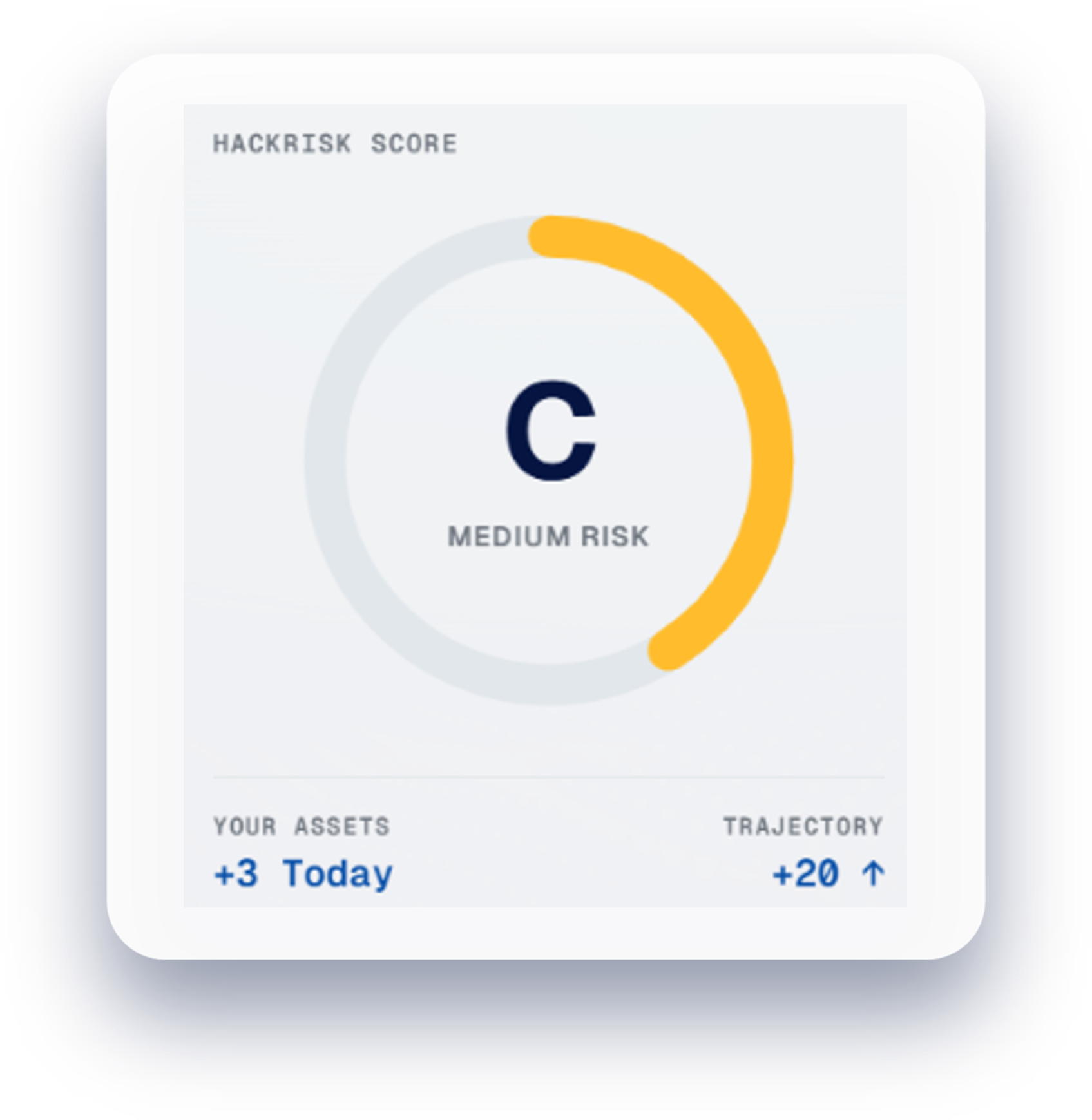
Continuous Vulnerability Scanning with HackRisk
A formal vulnerability assessment gives you a point-in-time picture of your security exposure. But vulnerabilities emerge constantly – new CVEs are published daily, your infrastructure changes, and attackers don’t wait for your next scheduled assessment.
HackRisk is CyberLab’s automated attack surface monitoring platform, scanning your external-facing infrastructure every 24 to 48 hours – identifying new vulnerabilities as they emerge and giving you continuous visibility between formal assessments. Get a free HackRisk report within 24 hours, including vulnerability scanning, dark web scanning, recon scanning and supply chain security – no commitment required.
FAQs:
A vulnerability assessment (also known as a vulnerability scan or VA) is a systematic, automated security scan of your IT infrastructure – identifying, classifying and prioritising known weaknesses across your networks, systems, applications and devices before attackers can exploit them. Unlike penetration testing, which involves certified ethical hackers actively exploiting vulnerabilities, a vulnerability assessment uses advanced scanning tools to deliver broad, prioritised coverage across your entire environment. Every CyberLab assessment includes a consultant review of findings to validate results and remove false positives before the report is produced.
A vulnerability assessment identifies and ranks known weaknesses using automated scanning tools – it tells you what is exposed across your environment. A penetration test goes further by having certified ethical hackers actively attempt to exploit those weaknesses, chaining vulnerabilities together to demonstrate real-world attack impact. A vulnerability assessment is broader and faster; a penetration test is deeper and more targeted. Many organisations use vulnerability assessments for ongoing monitoring and penetration testing for periodic, in-depth assurance – the two services work best together as part of a structured security programme.
A CREST-approved vulnerability assessment is conducted by consultants certified by CREST – the Council of Registered Ethical Security Testers – providing independently verified assurance that the assessment meets recognised industry standards. Unlike a basic automated scan, a CREST-approved assessment includes qualified consultant oversight of findings, triage of false positives and contextualised remediation guidance. CyberLab holds CREST accreditation and delivers CREST-approved formal assessments alongside automated continuous scanning via HackRisk.
For most organisations, a vulnerability assessment should be performed at least quarterly. However, assessments should also be carried out following any significant changes to your IT environment – such as new system deployments, network changes or cloud migrations – as these can introduce new weaknesses. Organisations subject to PCI DSS are required to run external vulnerability scans at least quarterly via an Approved Scanning Vendor (ASV). CyberLab’s automated scanning service via HackRisk provides continuous coverage between formal assessments.
A CyberLab vulnerability assessment covers internal and external infrastructure including servers, network devices, firewalls, endpoints and communication equipment. Our CREST-approved assessments also include web-facing systems and cloud environments where in scope. Every assessment produces a prioritised findings report mapped to risk severity using CVSS v3.1 scoring, with clear remediation guidance so your team knows exactly what to fix and in what order.
Yes. PCI DSS v4.0 Requirement 11 mandates both internal and external vulnerability scanning at least quarterly and after any significant change to the network. External scans must be conducted by a PCI SSC-approved Approved Scanning Vendor (ASV). Internal scans must be performed by a qualified internal resource or third party. CyberLab can support both requirements – speak with our team to understand how vulnerability scanning fits into your broader PCI DSS compliance programme.
A formal vulnerability assessment is a structured, periodic engagement conducted by CyberLab consultants – covering internal and external infrastructure with a consultant-validated findings report and remediation guidance. HackRisk is CyberLab’s automated continuous scanning platform that monitors your external attack surface every 24 to 48 hours, identifying new vulnerabilities as they emerge between formal assessments. The two services are complementary – HackRisk provides ongoing visibility, while a formal assessment provides deeper, consultant-led analysis and a report suitable for board-level or audit purposes.
A vulnerability assessment is recommended for any organisation that wants to understand its security exposure – particularly if you have never undertaken formal security testing, are approaching a compliance deadline, or need a cost-effective way to gain visibility across a large or complex environment. It is especially relevant for organisations that handle sensitive customer data, operate critical infrastructure, or are subject to regulatory requirements such as PCI DSS, ISO 27001 or Cyber Essentials Plus. If you are unsure whether a vulnerability assessment or penetration test is the right starting point, speak with our team and we can advise based on your specific situation.