


Securing the Logistics Sector from Cyber Threats: CSH Success Story
A CSH Transport Success Story
How CSH Transport Is Leading the Way in Cyber Resilience
As the logistics industry accelerates its digital transformation, the stakes for cyber security have never been higher. From real-time tracking systems to cloud-based warehousing and sensitive client data, third-party logistics (3PL) providers are increasingly reliant on digital infrastructure to deliver seamless, efficient services. But with this reliance comes risk -and the need for robust, proactive cyber defences.
One company that’s setting the standard is CSH Transport and Forwarding Ltd, a UK-based logistics specialist with over 40 years of experience. Operating from key locations in Blackburn and the Port of Goole, CSH is known for its reliability and expertise in dry freight, liquid bulk, hazardous and non-hazardous chemical distribution, and secure warehousing.
The Cyber Threat Landscape for Logistics
The logistics sector is a prime target for cyber criminals – and the risks are growing more complex by the day.
With increasing reliance on digital systems for fleet tracking, warehousing, and client communications, logistics providers face a unique blend of vulnerabilities. Disruption to transport systems, data breaches involving sensitive contracts or hazardous materials, and ransomware attacks on operational platforms can have far-reaching consequences – not just for the business, but for the entire supply chain.
For CSH Transport, the challenge was clear: protect their Microsoft 365 environment, ensure compliance, and build a cyber security posture that could evolve with the threat landscape. But they didn’t just need a vendor – they needed a partner.
CyberLab delivered more than just tools and technology. They provided a wraparound support model that combined proactive monitoring, strategic guidance, and hands-on expertise. From securing endpoints and hardening Microsoft 365 to guiding CSH through Cyber Essentials certification, CyberLab helped CSH build a cyber security foundation that was not only resilient, but scalable.
This partnership gave CSH the confidence to operate securely in a high-risk sector, knowing they had the visibility, control, and expert support to stay ahead of evolving threats.
A Strategic Partnership for Resilience
CSH turned to CyberLab for a comprehensive, layered security solution. The partnership focused on two key pillars:
- Microsoft 365 Security Support – CyberLab provided continuous monitoring, patching, and proactive threat detection across CSH’s M365 environment. This ensured vulnerabilities were addressed swiftly and systems remained secure.
- Cyber Essentials Certification – CyberLab guided CSH through the certification process, helping them implement essential controls and demonstrate their commitment to cyber hygiene and compliance.
This dual approach not only protected CSH’s systems but also reinforced trust with clients and partners – an increasingly important differentiator in a competitive market.
Visibility, Control, and Confidence
With CyberLab’s support, CSH Transport gained far more than just a cyber security solution – they gained a strategic partner committed to their long-term resilience.
CyberLab provided CSH with real-time visibility into their Microsoft 365 environment through automated reporting and threat monitoring, ensuring that potential risks were identified and addressed before they could escalate. This transparency gave CSH the confidence to make informed decisions about their security posture.
But visibility was just the beginning. CyberLab’s quarterly advisory sessions offered CSH a structured opportunity to review their security landscape, assess emerging threats, and plan proactive improvements. These sessions weren’t just check-ins – they were collaborative strategy reviews, tailored to CSH’s evolving operational needs.
What truly set CyberLab apart was the wraparound security support: a dedicated team of cyber security experts on hand to provide guidance, answer questions, and respond rapidly to incidents. Whether it was navigating compliance requirements like Cyber Essentials or fine-tuning their Microsoft 365 configurations, CSH knew they had a trusted partner in their corner.
This combination of insight, strategic advice, and hands-on support empowered CSH to move forward with confidence – knowing their operations were protected, their team was supported, and their cyber resilience was continuously improving.
“Working with CyberLab has been a seamless and highly effective experience. Their expertise in securing our Microsoft 365 environment and guiding us through Cyber Essentials certification has significantly strengthened our overall security posture. The proactive monitoring and responsive support have given us the confidence to focus on delivering exceptional services to our customers, knowing that our systems are protected by a trusted partner.”
– Chris Haworth, IT Manager, CSH Transport & Forwarding
Lessons for the Industry
CSH’s journey offers a blueprint for other logistics providers navigating the cyber threat landscape:
- Cyber security is not a one-off project – it’s an ongoing strategy.
- Certification frameworks like Cyber Essentials are more than checkboxes – they’re trust signals.
- Partnering with experts can accelerate resilience and free internal teams to focus on core operations.
As the logistics sector continues to digitise, companies like CSH are proving that operational excellence and cyber resilience go hand in hand.


CyberLab Shortlisted for 'Best Cybersecurity Solution': Comms Business
Comms Business Awards 2025
We’re proud to announce that CyberLab has been shortlisted for Best Cybersecurity Solution at the 2025 Comms Business Awards!
The Comms Business Awards celebrate excellence, innovation, and customer impact across the UK channel.
“Being nominated at the Comms Business Awards is a fantastic recognition of the innovation and dedication that drive CyberLab.
To be shortlisted in such a competitive category is a fantastic recognition of the impact that we have had in helping businesses to thrive in an increasingly hostile digital landscape, and we’re honoured that it is considered among the best in the industry.”
– Gavin Wood, CEO, CyberLab
We demonstrated how our work with Sealey Group progressed from a penetration test to Sophos MDR, Mimecast email security, and firewall management from CyberLab Managed Services, and how it hardened Sealey Group’s defences, reduced the risk of downtime and ensured the uninterrupted flow of operations.
The winners of the Comms Business Awards will be revealed at the ceremony in July, and we look forward to celebrating with peers and partners from across the industry.
In the meantime, if you’re looking for a cyber security partner to expand your offering and improve your customers’ security, speak with an expert from our Channel team today.

Strengthening Cyber Resilience in Fashion AI Technology
A Delvify Success Story
Digital innovation is transforming every industry, and fashion is no exception. Delvify, a UK-headquartered fashion-tech company, is leading the charge – leveraging AI to help brands and suppliers collaborate more sustainably.
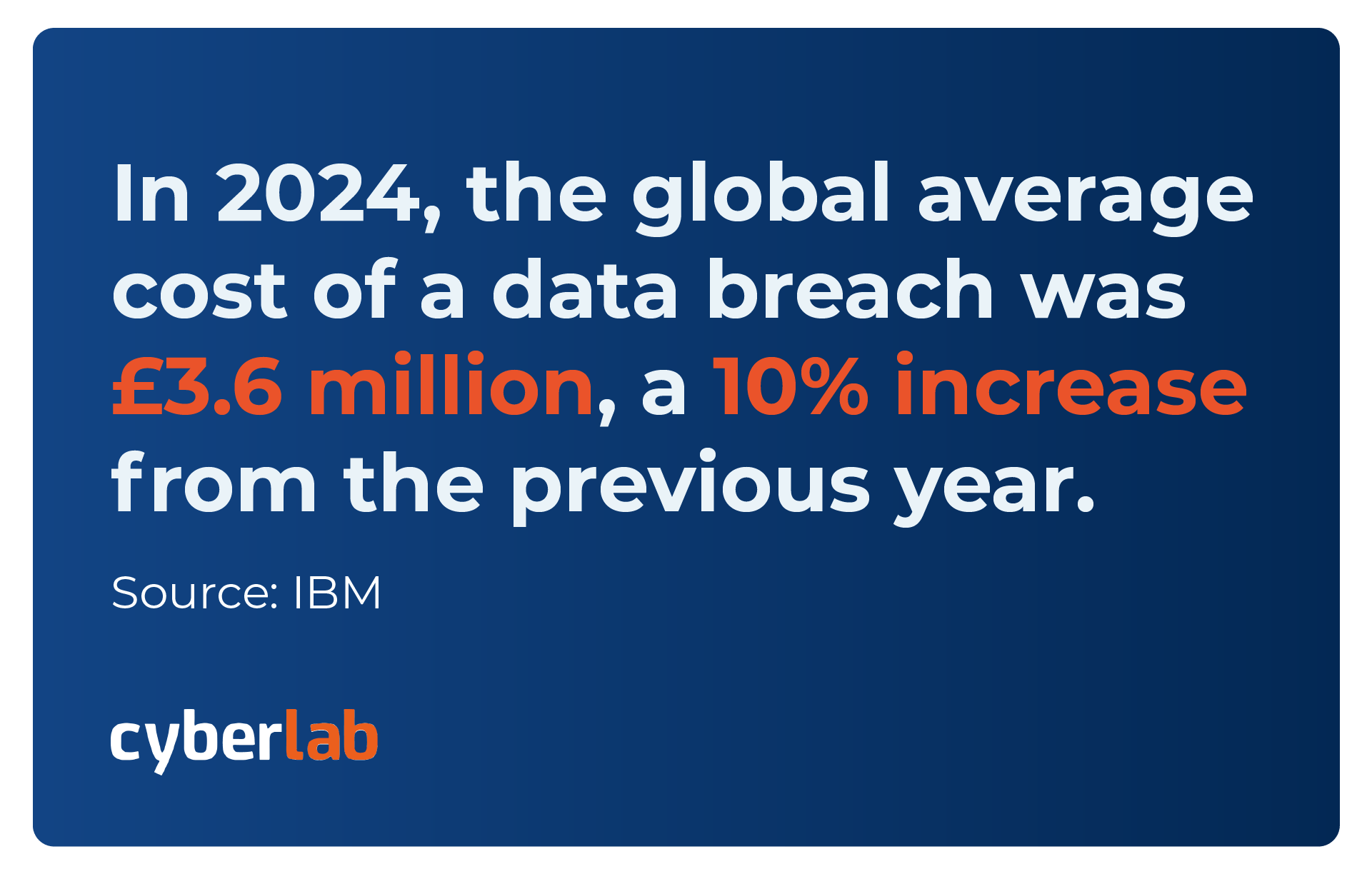
But as the company scaled its operations across Singapore, Hong Kong, and Japan, it faced a growing challenge: how to protect sensitive data in an increasingly hostile cyber threat landscape. According to the Sophos State of Ransomware 2025 report, 50% of ransomware attacks resulted in data encryption – down from 70% the previous year, but still a significant risk for organisations handling sensitive data.
The Cyber Threat Landscape for Fashion Tech
Fashion-tech companies like Delvify sit at the intersection of creativity, data, and global collaboration. Their platforms are built to be agile, decentralised, and fast-moving – qualities that are essential for innovation but can also introduce significant cyber risk.
Remote-first teams, diverse operating systems, and a reliance on cloud-based collaboration tools mean that the attack surface is constantly shifting. Cyber criminals are increasingly targeting organisations that handle large volumes of sensitive data, and the fashion sector is no exception. The consequences of a breach extend far beyond financial loss; they can disrupt supply chains, erode brand reputation, and undermine the trust that partners and customers place in digital platforms.
The Sophos State of Ransomware 2025 report highlights that exploited vulnerabilities remain the most common technical root cause of ransomware attacks, accounting for 32% of incidents. For fashion-tech businesses, this means that even a single overlooked weakness can have cascading effects across global operations. As Delvify expanded its reach, the leadership team recognised that proactive cyber security was not just a technical requirement – it was a strategic imperative for long-term growth and resilience.
Why Cyber Essentials Was the Right Fit
Delvify recognised that cyber security couldn’t be an afterthought – it had to be embedded into the company’s DNA. That’s why they turned to CyberLab, an IASME-approved assessor, to guide them through the Cyber Essentials certification process.
Cyber Essentials is a UK government-backed standard that helps organisations protect themselves against the most common cyber threats. For Delvify, it offered a clear, structured framework to assess and improve their security posture – without slowing down their pace of innovation.
The certification process provided Delvify with a roadmap for strengthening its defences, covering everything from firewalls and secure configuration to user access control, malware protection, and patch management. CyberLab’s expertise ensured that every step was tailored to Delvify’s unique environment, addressing the specific risks associated with remote work, device diversity, and rapid product development.
By aligning with Cyber Essentials, Delvify was able to demonstrate its commitment to best practices, reassure stakeholders, and position itself as a trusted partner in the fashion-tech ecosystem.
A Tailored Approach to a Complex Environment
CyberLab’s consultative approach began with a deep dive into Delvify’s existing security practices. From there, the team provided tailored guidance to address platform-specific risks, implement best practices, and align controls with Cyber Essentials requirements.
This wasn’t a one-size-fits-all engagement. CyberLab worked closely with Delvify to ensure that security improvements supported the company’s operational agility. From device management and access control to patching and malware protection, every recommendation was designed to strengthen resilience without compromising flexibility.
The partnership was characterised by open communication and a shared commitment to continuous improvement. CyberLab helped Delvify identify gaps in its defences, prioritise remediation efforts, and foster a culture of accountability across technical and operational teams.
The result was a security posture that not only met regulatory requirements but also empowered Delvify to innovate with confidence, knowing that its data and systems were protected against emerging threats.
More Than a Certificate: A Cultural Shift
Achieving Cyber Essentials certification was a milestone, but for Delvify, it was just the beginning. The process sparked a broader cultural shift within the organisation, encouraging cross-functional collaboration and a shared sense of accountability for cyber resilience.
Security controls were not only implemented, they were embedded into daily operations. Teams became more aware of cyber risks, more proactive in addressing them, and more aligned in their commitment to protecting the company’s data, clients, and reputation.
This cultural transformation extended beyond the IT department, reaching every corner of the business. Employees at all levels were engaged in cyber security training, incident response planning, and ongoing risk assessments.
The certification journey fostered a spirit of collaboration, transparency, and shared responsibility, ensuring that cyber resilience became a core value rather than a checkbox exercise. As Delvify continues to grow, this foundation will support both compliance and innovation, enabling the company to adapt to new challenges and opportunities with agility and confidence.
Final Thoughts
Delvify’s journey with CyberLab demonstrates how proactive cyber security isn’t just about compliance, it’s about building a foundation for trust, innovation, and sustainable growth.
By embedding best practices and achieving Cyber Essentials certification, Delvify has strengthened its resilience, enhanced its credibility with partners, and empowered its teams to collaborate securely across borders.
In a digital economy where threats are constantly evolving, Delvify’s commitment to cyber security sets a new standard for the fashion-tech sector, proving that resilience and agility can go hand in hand.

Defence in Depth: Layered Security Strategy for Modern Cyber Risks
Securing Organisations Against the 2025 Threat Landscape
Cyber security threats in 2025 have become more advanced, with attackers leveraging AI, supply chain vulnerabilities, and geo-political tensions to launch increasingly sophisticated and targeted campaigns.
As cyber threats grow in complexity and capability, Defence in Depth remains one of the most effective strategies to protect organisations against threats and mitigate the advancement of cyber attacks.
What is Defence in Depth?
Defence in Depth is a layered security approach that ensures multiple safeguards are in place to protect against various attack vectors.
Rather than relying on a single security measure, this strategy integrates multiple defensive layers. These defensive layers range from physical and network security to user training and incident response. The benefit of this layered approach to defence is that if one layer is breached, others continue to provide protection.
The 2025 Cyber Threat Landscape
According to the NCSC Cyber Security Breaches Survey 2024, 50% of businesses reported experiencing a cyber-attack or breach in the past year. While larger enterprises remain primary targets, 32% of medium-sized businesses and 27% of small businesses also faced cyber incidents, highlighting the growing need for strong cyber security strategies. [source: NCSC]
Increased Attacks on Critical National Infrastructure & Supply Chains
Nation-state actors and cyber-criminal groups are increasingly targeting essential services such as energy, water, healthcare, and transportation. Supply chain attacks have also surged, with attackers infiltrating widely used software and IT providers to gain access to multiple organisations at once.
Defence in Depth Mitigation:
- Network segmentation to isolate critical assets.
- Continuous monitoring and risk assessment of third-party vendors.
- Zero Trust architecture to limit access to essential systems.
- Incident response planning for handling supply chain disruptions.
Rise in Ransomware & Data Extortion Attacks
Ransomware remains a top threat, with attackers adopting double and triple extortion tactics. The 2024 survey found that 19% of businesses that suffered a breach were targeted by ransomware, often leading to financial and reputational damage.
Defence in Depth Mitigation:
- Regular vulnerability scanning and patch management.
- Penetration testing across the IT estate
- Immutable backups to protect against data loss.
- Network segmentation to limit ransomware spread.
AI-Driven Social Engineering & Business Email Compromise (BEC)
Cybercriminals have now started using AI-powered phishing campaigns, deepfake technology, and social engineering tactics to manipulate employees and executives into revealing sensitive information or transferring funds.
According to the UK Department for Science, Innovation & Technology phishing remains the most common type of cyber incident in 2025, with 74% of businesses and 72% of charities reporting they experienced a phishing incident in the past 12 months.
Defence in Depth Mitigation:
- Email filtering and anomaly detection. Consider AI-powered tools that can intuitively detect and remove even the most advanced phishing emails.
- Multi-factor/2-factor authentication (MFA/2FA) remains the single most effective control against phishing attempts.
- Security awareness training focused on AI-driven threats.
- Verification processes for high-value transactions.
Implementing Defence in Depth: A Multi-Layered Approach
Defence in Depth was originally adapted from an ancient military strategy, designed to slow the advancement of an attacking enemy so that they exhaust their resources and lose momentum.
Translated into the field of cyber security, this strategy can buy targeted organisations vital time to adapt and respond to the incident, ensuring the most sensitive assets remain protected.
To be prepared to face a real cyber incident, organisations must implement a Defence in Depth strategy that covers all aspects of cyber security, including:
1. Physical Security – Secure data centres, restrict access, and implement biometric authentication. Physical penetration testing such as Red Team/Tiger Team exercises should be conducted on physical security measures, assessing access control weaknesses, surveillance blind spots, and the effectiveness of security response procedures. Red Team exercises can simulate real-world intrusions, testing how well physical security controls prevent unauthorised access.
2. Network Security – Deploy firewalls, IDS/IPS, and enforce network segmentation. Regular penetration testing should be conducted against network perimeter defences, external and internal infrastructure, internal network segmentation, and VPN security.
3. Endpoint Security – Use robust endpoint detection & response (EDR) solutions or consider partnering with a managed security services provider (MSSP) for managed detection & response (MDR) services. Testing should evaluate endpoint resilience, including BYOD policies and remote device security.
4. Application Security – Conduct regular security testing and vulnerability assessments of public-facing and internal applications, including any exposed API endpoints.
5. Data Protection – Enforce encryption, access controls, and backup strategies.
6. User Training & Awareness – Conduct ongoing cyber security education to recognise phishing and social engineering threats.
7. Incident Response & Business Continuity – Develop incident response plans, and test them utilising services such as penetration testing and red teaming.
8. Zero Trust Architecture – Use zero-trust architecture and implement strict verification protocols across all access points.
9. Vulnerability Management – Continuously monitor, assess, and remediate security gaps across infrastructure, cloud environments, and operational technology (OT) by using vulnerability management tools, and patching software.
10. Red Teaming & Attack Simulations – Organisations should consider conducting red team assessments, not just against their physical security controls, but to test the overall effectiveness of their Defence in Depth strategy, evaluating how well layers of security work together to detect and respond to advanced persistent threats (APTs) across various sophisticated attack scenarios.
Conclusion: Why Defence in Depth is More Critical Than Ever
As cyber threats become more advanced and widespread, adopting a Defence in Depth approach is no longer optional – it is essential. By implementing multiple layers of security across networks, endpoints, cloud environments, applications, and user domains, organisations can significantly reduce their risk exposure.
Whether securing a nation’s critical infrastructure, a large enterprise, or an SME, a well-planned Defence in Depth strategy ensures resilience against ever-evolving threats.
With AI-powered cyber-attacks, state-sponsored threats, and ransomware innovations reshaping the threat landscape organisations should review their current cyber security strategy today and take pro-active steps to implement a robust Defence in Depth approach.

CyberLab Announces Strategic Partnership with Vicarius: Automated Patching
New Partnership to Enable Customers to Detect, Manage, & Remediate Vulnerabilities
CyberLab announce a new partnership with Vicarius, combining CyberLab’s expertise in cyber security with Vicarius’ leading AI vulnerability remediation to provide UK businesses with enhanced vulnerability management.
In CyberLab’s experience, managing an increasing number of vulnerabilities presents a notable challenge for many organisations. Addressing this, the necessity for a method that effectively sorts and promptly resolves these issues is paramount, with delays often leading to significant negative repercussions. Vicarius’s technology is designed to address this gap by bringing together various platforms into a cohesive system. This strategy demonstrates a proactive stance in vulnerability management, offering potential enhancements in security posture and efficiency for businesses grappling with these challenges.
“Orchestration and delivery of effective patch management isn’t new, but it has never been straight-forward to get it completely right and the explosion of remote and mobile working has only added to the challenges.
Vicarius’s vRx not only provides effective patch management for Windows and MacOS via a single console, but offers almost complete coverage of those smaller apps that frequently get forgotten about and won’t automatically update.”
– Gavin Wood, CEO at CyberLab
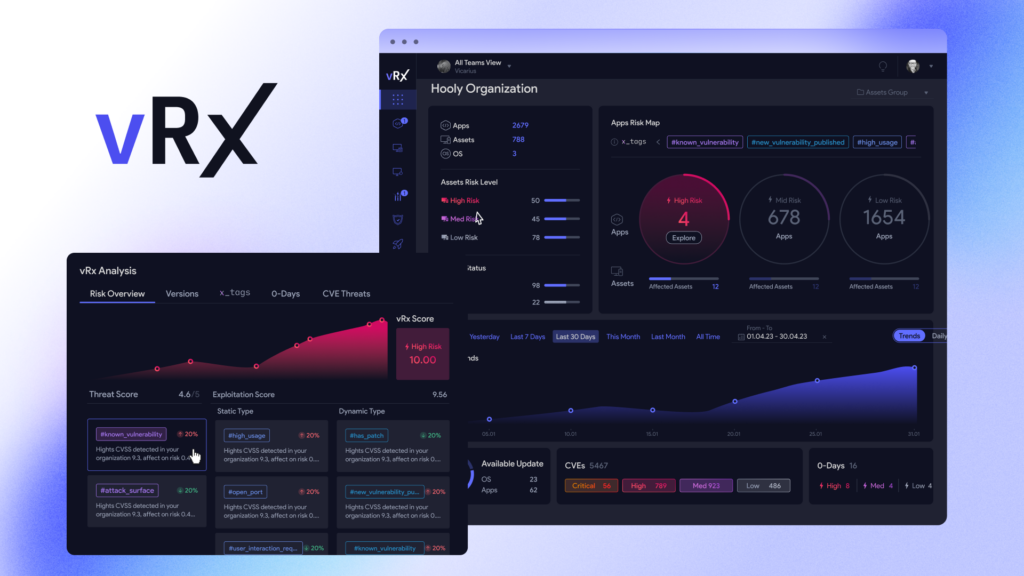
Vicarius’s vRx platform seamlessly integrates vulnerability discovery, prioritisation, and remediation. By automating the entire vulnerability management lifecycle, vRx empowers security and IT teams to improve efficiency and mitigate risks more effectively.
For example, vRx’s Patchless Protection feature keeps high-risk apps safe even when a patch isn’t available. Vulnerable applications are shielded within a force field and secured until the next patch has been prepared, tested, and deployed.
“To align with such a high quality partner in the UK is very exciting for Vicarius.
CyberLab are cyber experts from both a resale and MSSP perspective. Their technical expertise and market knowledge is second to none. We are truly delighted to announce this partnership.”
– Moty Cohen, Head of EMEA at Vicarius
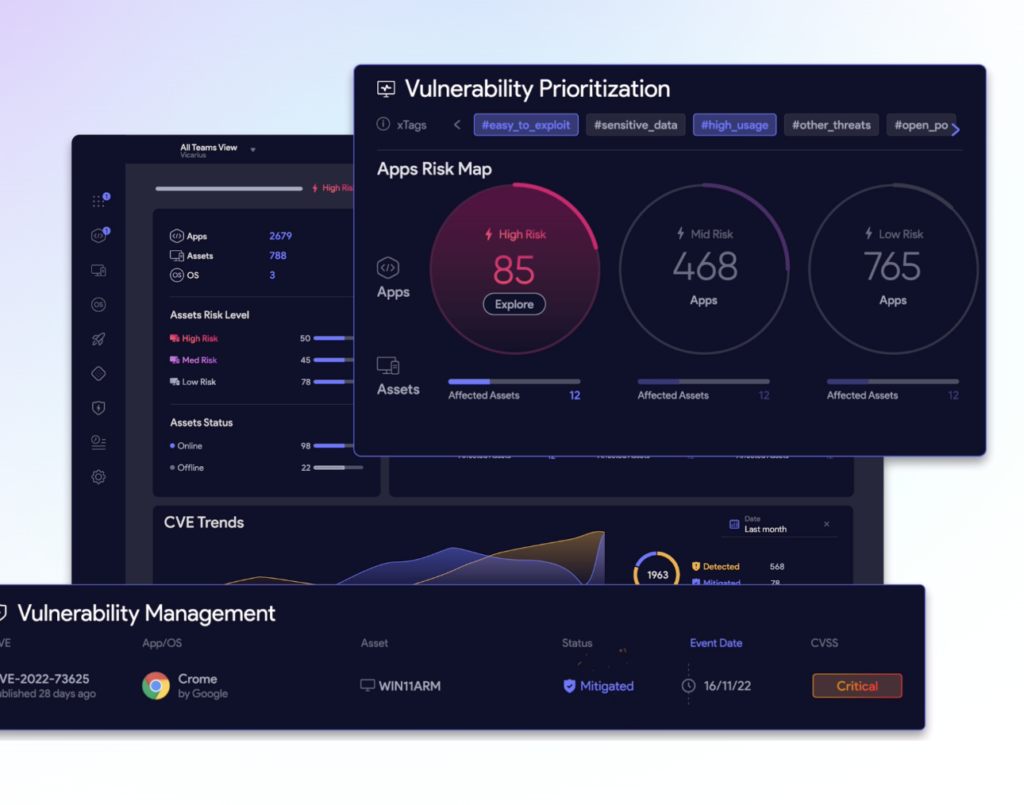
CyberLab works in close partnership with their clients to understand the complex threats they come up against and mitigate risks, they view their collaboration with Vicarius as an opportunity to introduce their clients to an innovative technology in order to bolster their clients’ abilities to combat evolving cyber threats and ensure compliance with cybersecurity standards, including Cyber Essentials and Cyber Essentials Plus.

The New NCSC Cyber Governance Code of Practice for UK Boards
What The Guidance Means for UK Boards
On 8 April 2025, the UK Government released a draft Cyber Governance Code of Practice – designed to help boards and directors better understand and manage their cyber security responsibilities.
Developed jointly by the Department for Science, Innovation and Technology (DSIT) and the National Cyber Security Centre (NCSC), the Code offers a clear and accessible framework for leadership teams to embed cyber resilience at the heart of their organisations.
What is the Cyber Governance Code of Practice?
The Code outlines five key principles for cyber governance:
-
Risk Management – Integrating cyber risk into overall business risk management.
-
Cyber Strategy – Setting direction and allocating appropriate resources.
-
People – Defining roles and responsibilities across the business.
-
Incident Planning – Being ready to respond and recover effectively.
-
Assurance & Oversight – Regularly reviewing controls and seeking external assurance.
In essence, the Code encourages boards to approach cyber risk with the same level of leadership and accountability as financial, legal, or operational risks.
These outcomes are intended to support informed decision-making, reduce risk, and ensure that cyber security is considered across business planning, operations, and investment.
Rather than being a checklist or compliance task, this is about building a resilient culture where cyber security becomes part of everyday governance.
Supporting Directors in an Evolving Threat Landscape
Cyber security is no longer just a technical concern — it’s a business-critical issue that boards need to lead from the top. This new Code encourages decision-makers to take a strategic, long-term view of cyber risk.
It’s especially aimed at non-cyber specialists, providing guidance in plain language to help directors ask the right questions, set priorities, and ensure the right structures are in place.
Why Adopting the Code is Beneficial for Boards
With cyber threats constantly evolving, adopting the Cyber Governance Code helps boards stay ahead by integrating cyber resilience into their organisation’s culture.
By following the Code, businesses not only prepare for emerging regulatory changes but also show a clear commitment to safeguarding their operations. This proactive approach can help build trust with stakeholders, enhance organisational resilience, and support long-term success.
Embracing the Code encourages boards to take a confident, informed stance on cyber risk, fostering a culture where cyber security is seen as a shared responsibility across the organisation.
How CyberLab Can Help
One of the clearest starting points for aligning with the Code is Cyber Essentials.
This government-backed certification helps organisations put in place key technical defences and prove they take cyber seriously. It’s also a powerful way to demonstrate board-level commitment to cyber risk, particularly under the Code’s principles of assurance and oversight. At CyberLab, we guide organisations through both Cyber Essentials and Cyber Essentials Plus certifications with expert support every step of the way.
Beyond Cyber Essentials, we also offer a range of services that support the broader aims of the Code:
- Penetration Testing & Assurance
Test the real-world resilience of your organisation. We deliver regular, detailed assessments to meet both internal and regulatory requirements. - Policy, Strategy & Board-Level Support
Need help aligning with the Code? Our consultants support with governance frameworks, risk registers, incident planning, and more. - Supply Chain & Third-Party Risk Reviews
Understand the risks introduced by suppliers and service providers – a growing concern under the new guidance.
Our team at CyberLab is here to help your organisation build a robust cyber governance framework, ensuring you’re not only compliant but also resilient against the evolving cyber threat landscape.
Aligning with NCSC Guidance: Our Posture Assessment
To help organisations effectively assess and improve their cyber governance, CyberLab offers a Posture Assessment service grounded in the NCSC’s Top 10 Cyber Security guidance. This assessment is designed to evaluate your organisation’s current cyber security practices, identifying areas of strength and opportunities for improvement.
By aligning with the NCSC’s recognised framework, our Posture Assessment provides clear, actionable recommendations that enable organisations to adopt best practices for risk management, incident response, and overall cyber resilience.
It’s a strategic tool that empowers boards to take proactive steps in securing their organisation while supporting compliance with emerging cyber governance standards.
Final Thoughts
The new Cyber Governance Code of Practice marks a significant step forward, emphasising that cyber governance is an essential responsibility for boards.
Rather than simply delegating cyber security, senior leaders are encouraged to actively engage, understand the risks, allocate resources, and foster a culture of resilience across the organisation.
If you need guidance on aligning with the new Code, CyberLab is here to support you.

Cyber Essentials Willow Update 2025: Everything You Need To Know
What You Need to Know
The latest Cyber Essentials update, ‘Willow’, was released in May 2025, marking a significant evolution in the UK government’s flagship cyber security certification scheme. Replacing the ‘Montpellier’ question set, Willow reflects updated guidance from the National Cyber Security Centre (NCSC) and responds to emerging threats that businesses face today.
Whether you’re renewing your certification or applying for the first time, here’s a clear breakdown of what’s changed – and what your business needs to do next.
Key Changes in the 2025 Willow Update
What’s Changed in Cyber Essentials?
What’s Changed in Cyber Essentials Plus?
What Your Business Needs to Do
Need Help Navigating the Willow Update?

What is Penetration Testing? Everything You Need To Know About Security Testing
Everything You Need To Know
Penetration Testing, or a Pen Test, is a security test that launches a mock cyber attack to find vulnerabilities in a computer system.
A pen test is a way to identify vulnerabilities before attackers do, evaluate how effectively you can respond to security threats, assess your compliance with security policies, and improve the level of security awareness amongst your staff.
Penetration testers are security specialists trained in ethical hacking, using hacking methods and tools to identify and fix vulnerabilities rather than exploit them maliciously. Organisations purchase pen testing services to carry out simulated attacks on their applications, networks, and other systems. These controlled attacks enable security teams to discover serious weaknesses and strengthen their overall security defences.
While “ethical hacking” and “penetration testing” are sometimes used interchangeably, there is a subtle distinction. Ethical hacking is a broader discipline within cyber security that encompasses any application of hacking expertise to bolster security. Penetration testing, or pen testing, is one specific approach within ethical hacking, focusing on attack simulations. Ethical hackers may also offer malware analysis, risk evaluations, and other security-enhancing services.
Types of Penetration Testing
Penetration Testing
A Penetration Test aims to exploit the vulnerabilities of an organisation’s cybersecurity arrangements before a malicious party does. It uses a combination of automatic and manual techniques to identify issues within the infrastructure, systems and operations.
Vulnerability Assessment
Vulnerability Assessments are most often used by organisations when they want to identify the vulnerabilities present in their infrastructure and to get a high-level overview of their security posture. It involves an external approach and is fully automated.
Vulnerability Assessments are useful for companies who do not have visibility or understanding of their security posture. A vulnerability assessment can often be used as the first stage of a larger penetration testing project.
For organisations with legacy infrastructure, it is a quick, cost-effective way to identify and focus on software versions and systems that can be fixed easily.
External Penetration Test
An external penetration test replicates a real-life attack, searching for vulnerabilities that can be exploited by a hacker. This type of analysis aims to target everything Internet-facing. The penetration tester will focus on identifying network vulnerabilities. This can include issues with network services and hosts, devices, web, mail and FTP servers.
Objective Examples: Obtaining internal access to the network
Internal Penetration Test
An internal penetration test aims to identify and exploit internal vulnerabilities. Vulnerabilities can range from misconfigurations through to unpatched software and social engineering. The approach would be similar to an external penetration test, and the process followed would be the same.
Often the aim of this test can be unique to each client. A customer’s objective could be to gain access to a sensitive file or the domain controller with full admin rights, to elevate privileges or to perform an overall security assessment.
This type of test is only possible with access to the internal network either provided by the customer or gained by dropping a device like a dropbox or Raspberry PI onto any open network port, or by exploiting a compromised system i.e. emails.
Objective Examples: Leveraging internal access to obtain access to important assets on the network
Web Application Penetration Test
The web application penetration test aims to find weaknesses in applications programmed in-house or out of the box solutions, as well as ill-coded websites.
Web Apps are often vulnerable to many types of attacks that are often possible through the exploitation of misconfigurations in server builds or through bad coding practices. Vulnerabilities are often identified within functions where user input is received, like website search, address fields, file uploads, where SQL queries can be passed to gain access to back end databases. If either of those functionalists are not appropriately secured an attacker could exploit them to upload a malicious document that can create a back door giving a user unauthorised access to the underlying server it is running on.
Due to the world wide web being publicly exposed many websites and online stores come under constant attack. Identifying these vulnerabilities before anyone else can allows remediation actions to take place to secure the web app.
Examples: Brute-force attack, Error handling, SQL Injection and XSS.
Social Engineering
Social engineering is manipulating people into leaking sensitive information and providing an external malicious agent with unwarranted access to a network or building. It exploits the gaps in cyber security education in organisations and employs psychological persuasion.
The pen tester will research different aspects of the company and its people, refer to social media and current events, to gain the trust of the host and blend in with the organisation. However, social engineering is not limited to physical infiltration, but can also involve the use of email, social media and calls.
Performing such a test can reveal the gaps in cybersecurity awareness of the organisation’s people and stress the importance of employee training.
Examples: Phishing campaigns, traditional scamming techniques such as authority figure impersonation.
Red Team Engagement
A red team engagement is the more advanced version of a penetration test appropriate for companies with mature, well-established security arrangements. Compared to a pen test, they tend to take longer and often require multiple testers. The main objective is not to find and exploit all vulnerabilities, but instead, it is a targeted attack with a single objective aiming to be completely unnoticeable. Such tests are performed in scenarios where there is an immediate Blue team (Response Team) to stop a Red team (Attackers) in their tracks.
Black-Box Testing
In black-box testing, a tester doesn’t have any information about the internal working of the software system. It is a high-level assessment that focuses on the behaviour of the software. It involves testing from an external or end-user perspective. Black-box testing can be applied to virtually every level of software testing: unit, integration, system, and acceptance.
White-Box Testing
White-box testing is a testing technique which checks the internal functioning of the system. In this method, testing is based on coverage of code statements, branches, paths or conditions. White-box testing is considered as low-level testing. The white-box testing method assumes that the path of the logic in a unit or program is known.

Cyber Security for Small and Medium-Sized Enterprises (SME's)
Five Cyber Security Essentials Every SME Needs in 2025
In today’s digital-first economy, SMEs face increasing cyber risks – from phishing and ransomware to insider threats and misconfigured systems.
With 43% of UK businesses reporting cyber incidents in the past year and SMEs accounting for over £3.4 billion in losses annually, robust cyber security is no longer optional – it’s essential for survival.
While achieving “cyber security nirvana” may be unrealistic, SMEs can build layered defences that offer confidence and resilience against evolving threats.
Tales from the CyberLab: Cyber Crime for SME’s Explained
The Five Essentials for SME Cyber Security
1. Next-Generation Endpoint Protection
Traditional antivirus tools are no longer sufficient. SMEs should invest in modern endpoint protection that uses behavioural analysis to detect threats—even those not yet catalogued. These solutions monitor suspicious activity and respond in real time, offering proactive defence against ransomware and malware.
2. Patching and Vulnerability Management
Unpatched software remains one of the most exploited attack vectors. With Cyber Essentials v3.2 now requiring patches within 14 days for high-severity vulnerabilities, SMEs must implement automated patching and maintain visibility across their IT estate.
3. Security Awareness Training
Human error is a leading cause of breaches. Regular training helps employees spot phishing attempts, use strong passwords, and follow secure practices. Simulated phishing campaigns and interactive modules can dramatically reduce risk.
4. Modern Firewalls
Next-generation firewalls offer dynamic threat detection, application-aware filtering, and integration with endpoint tools. These systems adapt to changing network behaviours and reduce manual rule management, making them ideal for SMEs with limited IT resources.
5. Disaster Recovery Planning
A well-tested disaster recovery (DR) plan is critical. SMEs should identify business-critical systems, define recovery time objectives (RTOs), and choose appropriate backup technologies. Regular testing ensures that recovery procedures are effective and actionable when needed.
Bonus: Test Everything
Security tools are only effective if properly configured. SMEs should conduct regular penetration testing, phishing simulations, and DR drills to validate their defences and uncover gaps before attackers do.
Certification Matters
Cyber Essentials and Cyber Essentials Plus remain vital for SMEs seeking to demonstrate baseline security and win public sector contracts. The 2025 updates emphasise cloud security, BYOD coverage, and stricter patching timelines.

Quick Wins to be Cyber Secure: Five Fast Fixes Every Business Should Use
Five Fast Fixes to Strengthen Your Business Against Cyber Threats
Cyber security can feel overwhelming, especially for small and medium-sized enterprises (SMEs) with limited resources.
But there are simple, high-impact actions that can dramatically improve your organisation’s security posture. , Security Testing Pre-Sales Consultant at CyberLab, outlines five practical steps every business should take.
Mobile Device Management
Smartphones and tablets often access sensitive business data but operate outside the safety of office networks.
SMEs should:
- Identify what data mobile devices can access (e.g. email, Teams, OneDrive).
- Use mobile device management (MDM) tools like Microsoft Intune or Sophos Mobile to control access and enforce security policies.
- Ensure devices are encrypted, password-protected, and remotely wipeable.
Email Security
Phishing remains the most common attack vector for UK SMEs.
To reduce risk:
- Apply the principle of least privilege – limit account access to only what’s necessary.
- Train staff to spot phishing signs: suspicious links, urgent language, poor grammar, and unexpected attachments.
- Implement a clear reporting process for suspected phishing emails.
- Use tools like Microsoft 365’s Phishing Investigation feature to automate detection and response.
Keep Systems Up to Date
Unpatched software is a major vulnerability.
SMEs should:
- Maintain an inventory of devices and software.
- Enable automatic updates and apply patches within 14 days of release.
- Monitor for end-of-support products and replace them promptly.
- Use vulnerability scanning tools to identify gaps missed by manual checks.
Passwords and Authentication
Weak passwords are a top concern for SMEs in 2025.
Strengthen access controls by:
- Enforcing multi-factor authentication (MFA) for all users, especially admins.
- Providing password managers to help staff create and store strong credentials.
- Avoiding frequent forced password changes – only reset when compromise is suspected.
- Monitoring for compromised credentials on the dark web using services like HackRisk.
Cyber Awareness
Technology alone isn’t enough – your people must be trained to use it securely.
Build a strong security culture by:
- Offering regular awareness training and phishing simulations.
- Encouraging prompt reporting of incidents without fear of punishment.
- Making security part of everyday conversations, not just IT’s responsibility.